Being in Both Formosa
兩個福爾摩沙
2018
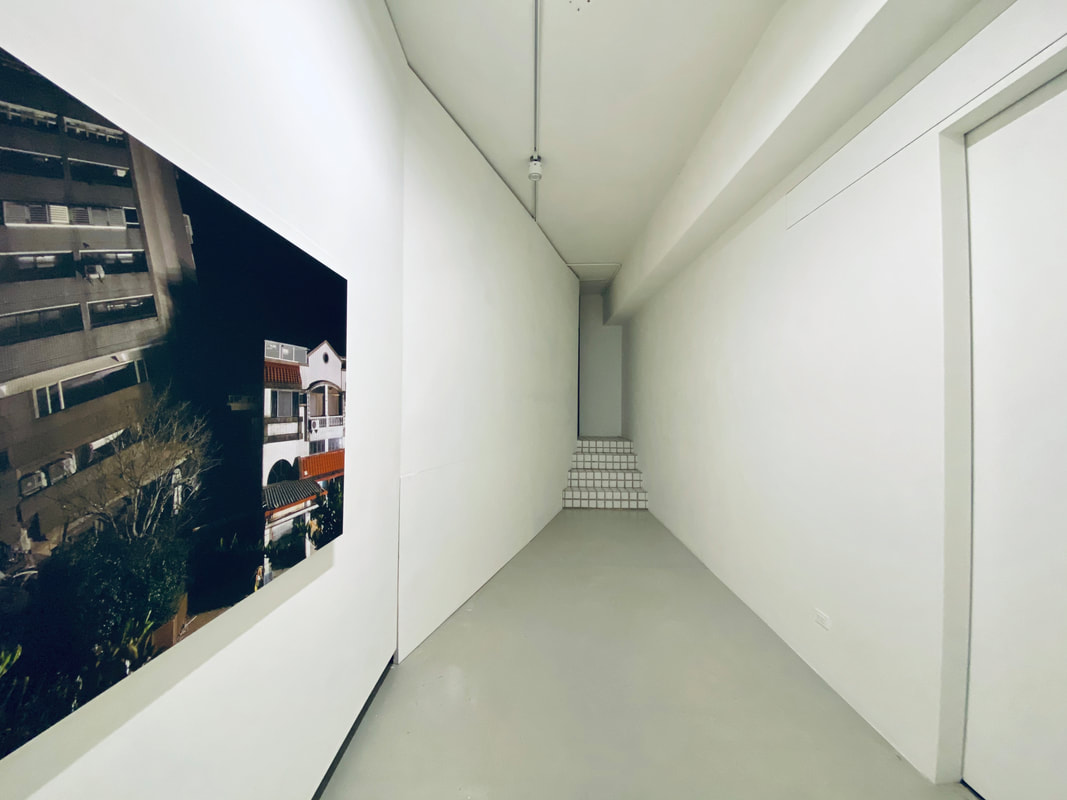
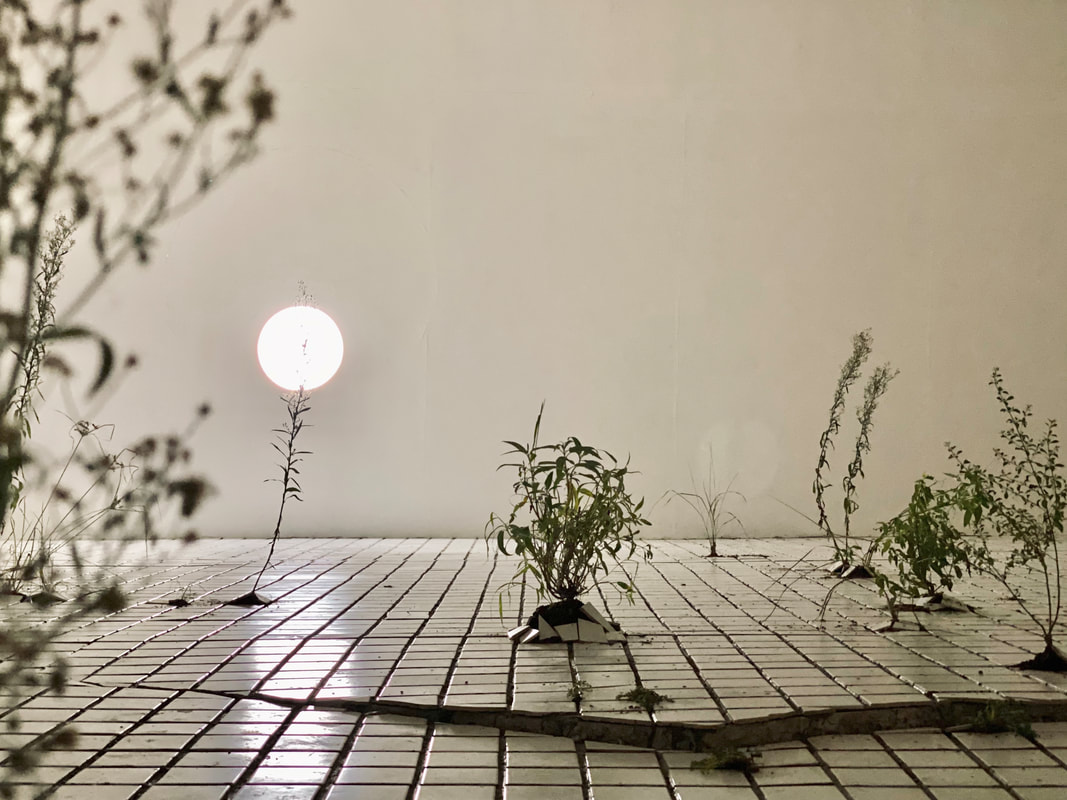
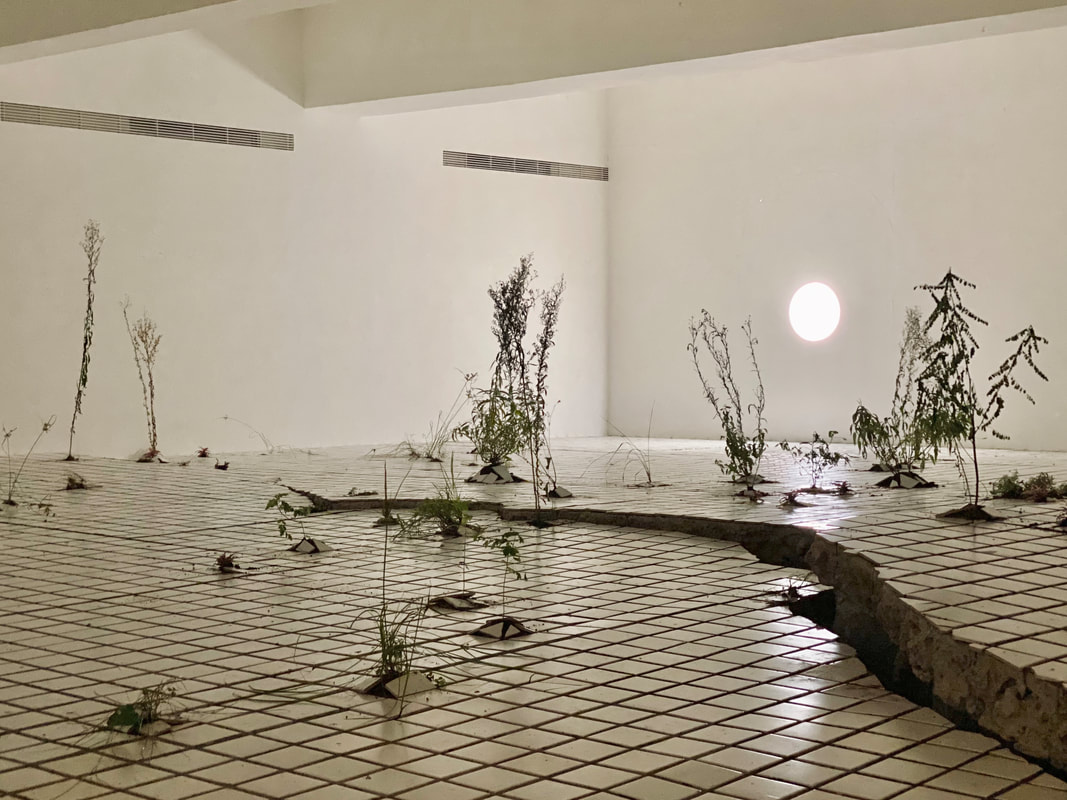
Mixed-media installation with ceramic tiles, concrete, plants, sound installation, light box, and lighting.
Variable dimensions


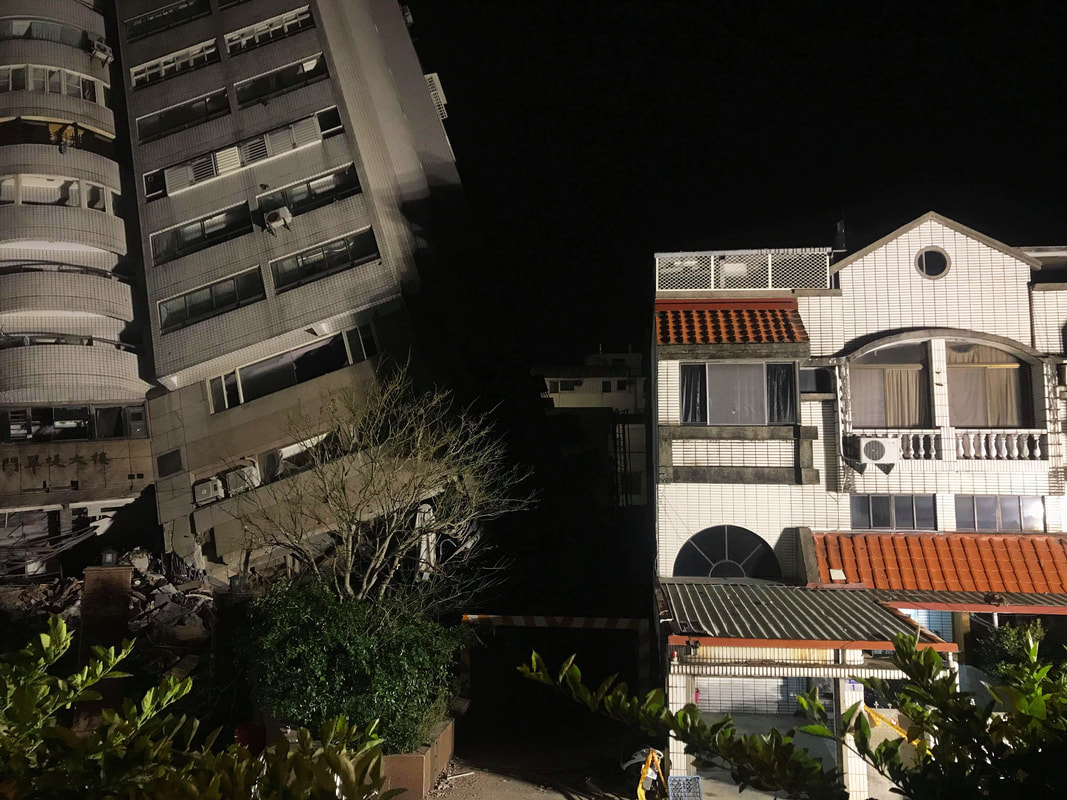
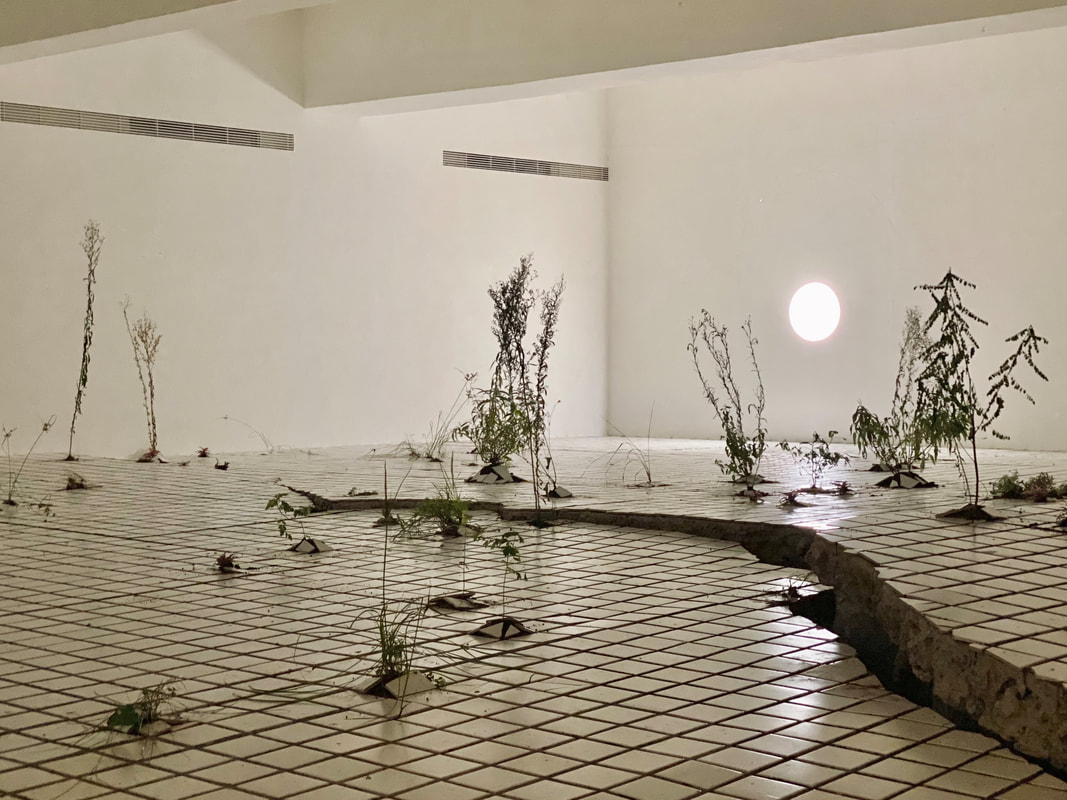
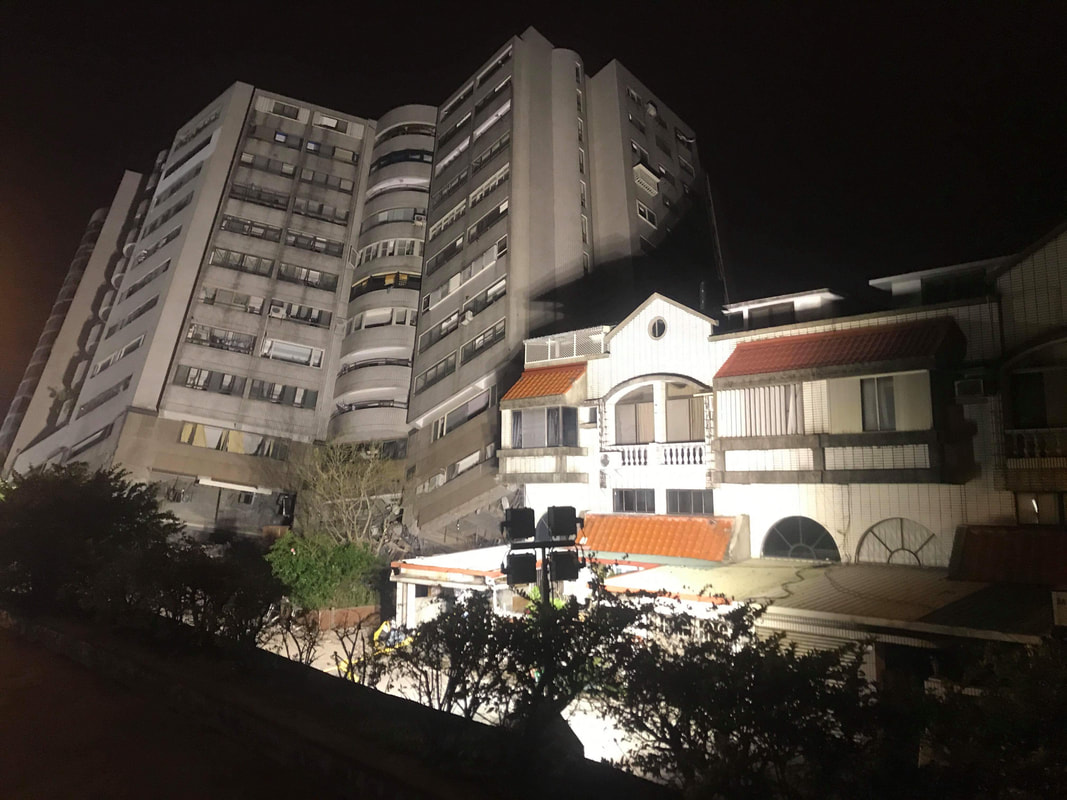
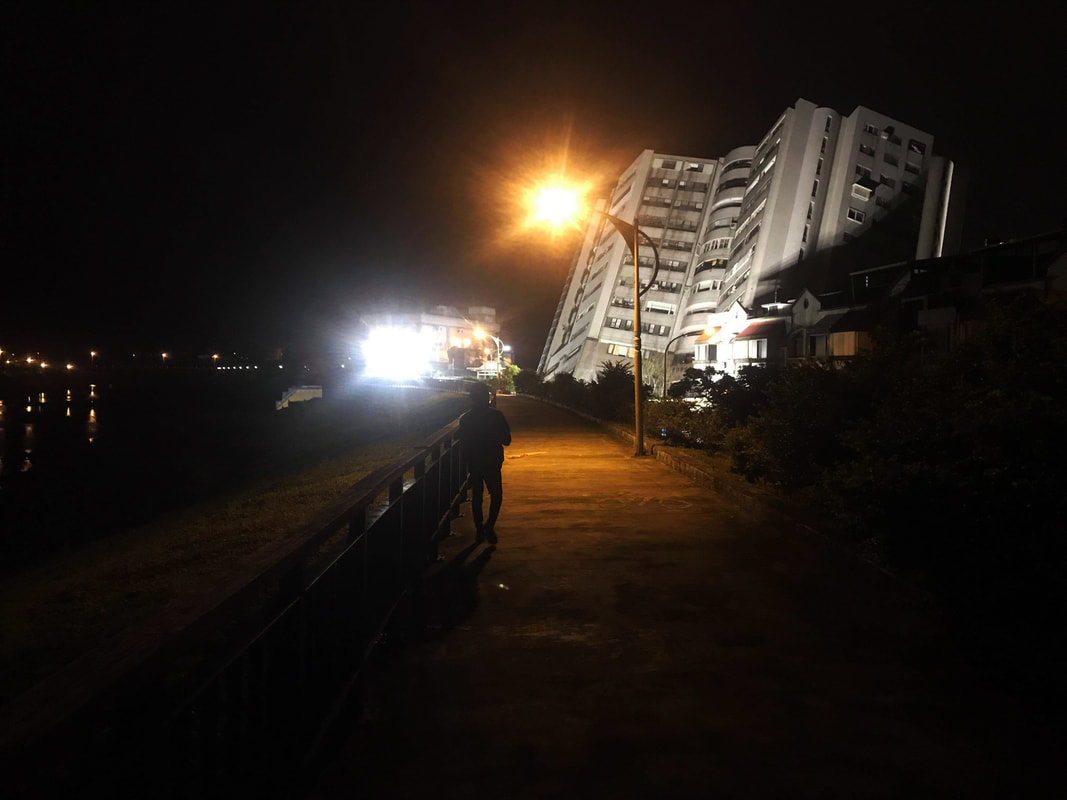
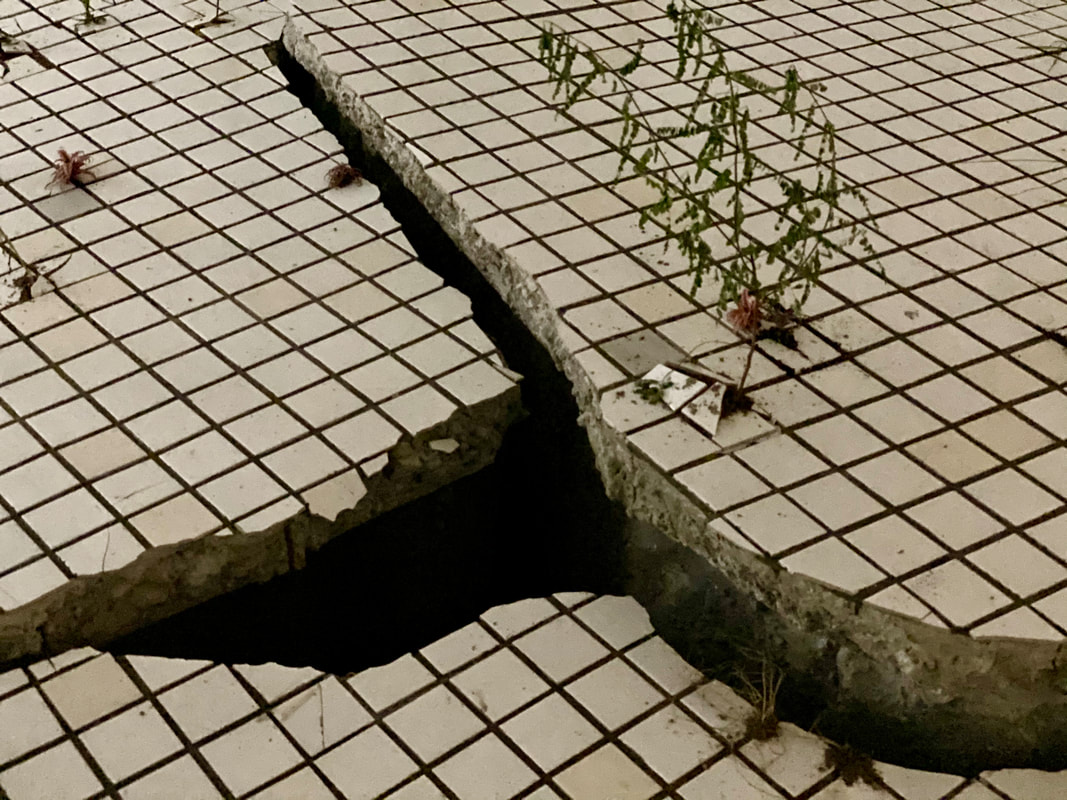
Two Formosas begins with the fissures left by an earthquake. Rather than reconstructing the scene of the disaster, the work treats the fissure as an interface connecting two worlds—an opening suspended between reality and imagination.
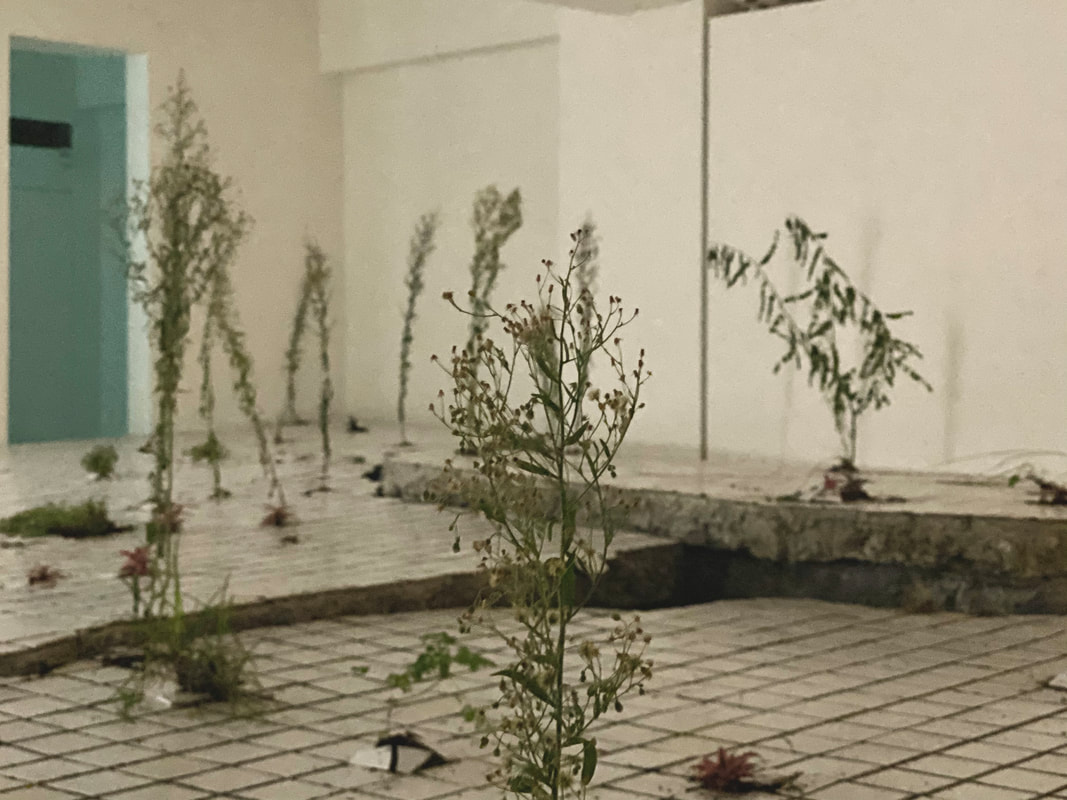
A crack runs through the floor at the center of the exhibition space. Hidden inside it is a sound installation playing an ordinary Spanish conversation recorded by people in Argentina. Nothing dramatic is being said; it is simply a fragment of everyday life. Yet when these voices emerge from beneath the viewer’s feet, they suggest that another group of people exists on the opposite side of the Earth, living lives that are both similar to and different from our own. The distant and unfamiliar voices transform the other side of the planet from an abstract geographical idea into a real world unfolding in the present.
The only source of light in the exhibition comes from a large spherical form. When viewers look toward it, their gaze seems to be drawn inward, as though they were being pulled into another depth of space. The sphere refers both to the Earth and to other celestial bodies, extending the experience of the work from the fissure beneath one’s feet toward the larger scale of the universe.
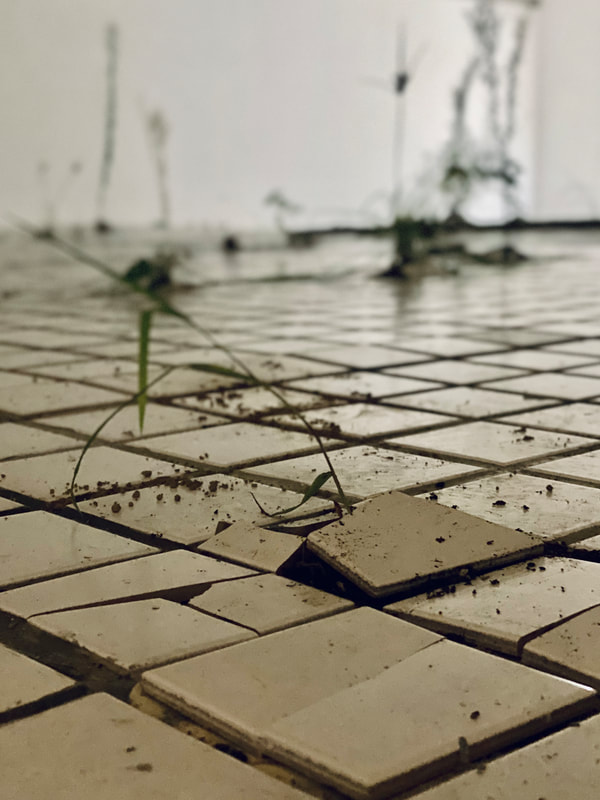
The plants scattered throughout the space were collected from weeds growing spontaneously along roadsides and in cracks in the pavement. I identified their species and origins, keeping only those native to South America. Carried across oceans through human movement, trade, and histories of colonization, these plants eventually took root in Hualien. They belong to this place while also originating elsewhere. Like the voices emerging from the fissure, they embody another form of connection across geographical distance.
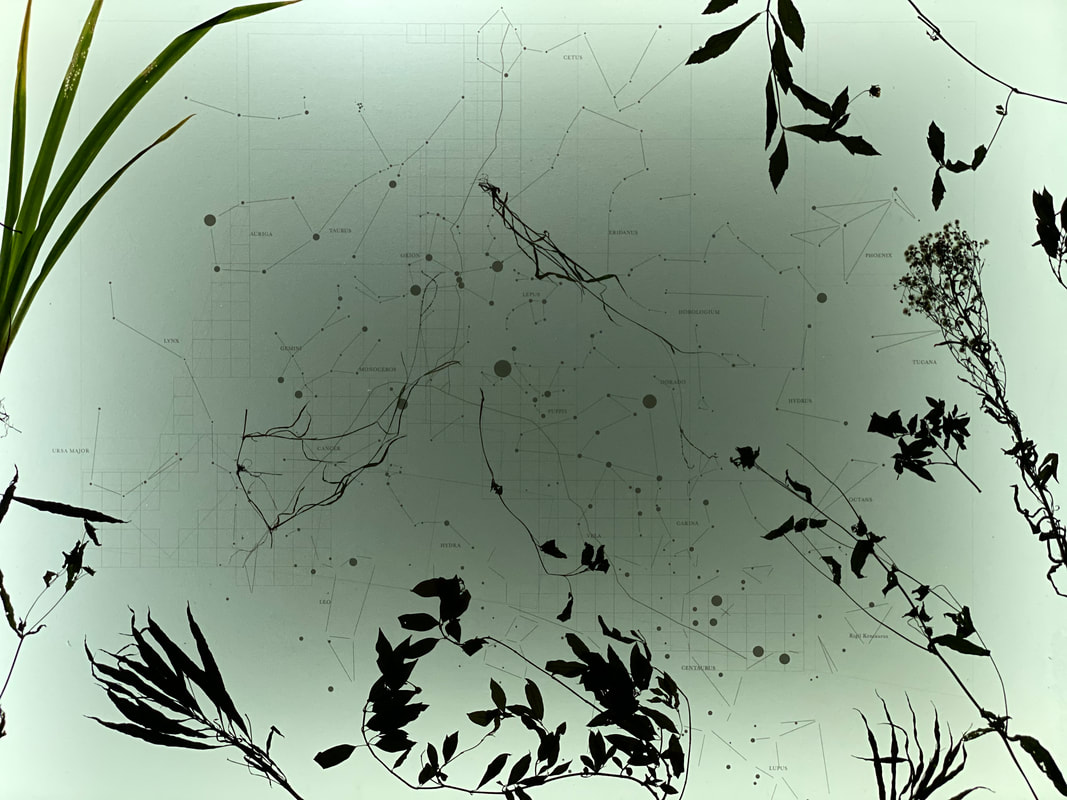
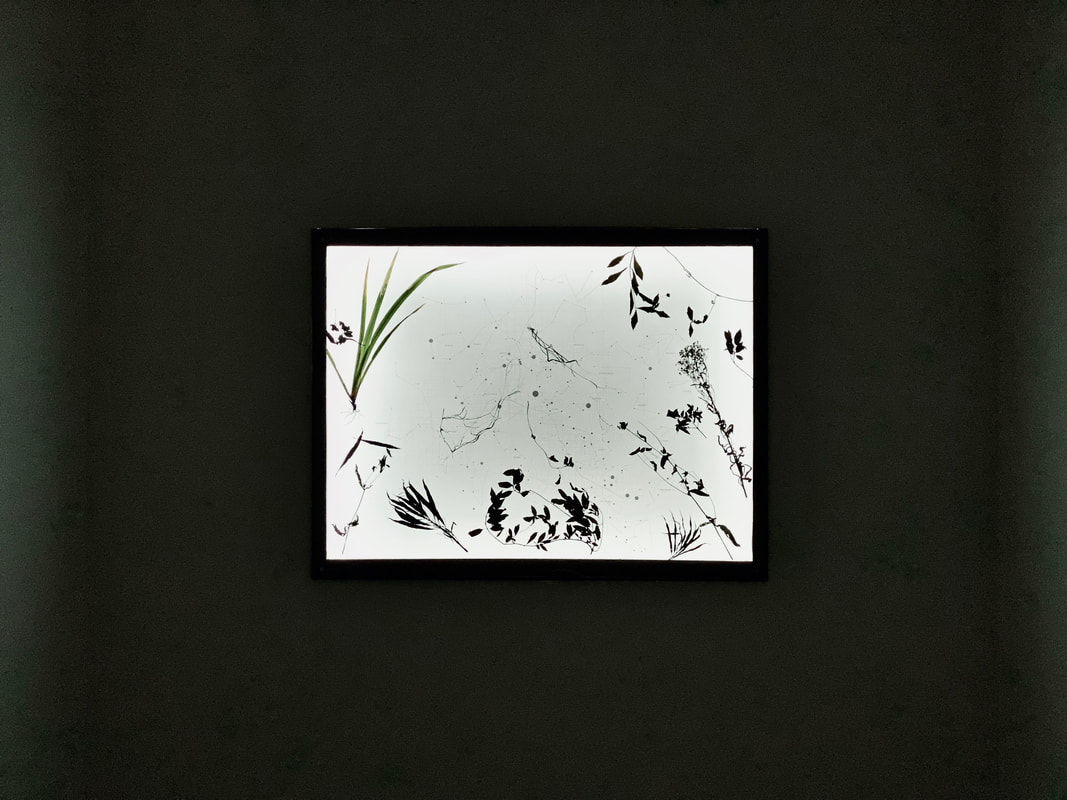
The work also includes a black lightbox displaying the night sky as seen from the opposite side of the Earth. Stars continue to exist during the daytime, but they remain invisible because of sunlight. Only when the lightbox is illuminated does the hidden star map gradually appear. This element extends the ideas embedded in the fissure, sound, and sphere, reminding viewers that many things are not absent; they are simply beyond the limits of immediate perception.
Through space, sound, plants, and light, Two Formosas seeks to reconstruct our sensory understanding of the Earth. The fissure is not only a trace of disaster, but also another way of perceiving the world. As viewers look into the darkness beneath their feet, listen to voices from afar, and become aware of plants and constellations connected to the other side of the planet, the work attempts to awaken a sense of the Earth as a whole. Although we may stand at the greatest possible distance from one another, we still inhabit the same planet.

《兩個福爾摩沙》以地震造成的裂縫作為作品的起點,但作品並不試圖再現災難現場,而是將裂縫視為一條連接兩個世界的界面,一個介於現實與想像之間的入口。
展場中央的地面被撕裂,一道裂縫貫穿整個空間。我將揚聲器隱藏於裂縫之中,播放一段由阿根廷居民錄製的日常西班牙語對話。對話沒有任何戲劇性的內容,只是再普通不過的生活片段。然而,當聲音從腳下的裂縫傳出時,它暗示著另一端同樣存在著一群人,過著與我們相似卻截然不同的日常生活。那些遙遠而陌生的聲音,使地球另一端不再只是地理概念,而成為一個正在發生的真實世界。
展場中的唯一光源,是一顆懸浮於空間中的球體。觀者望向它時,視線彷彿被吸引、牽引至另一個深邃的空間之中。球體既指向地球,也暗示著宇宙中的其他天體,使作品的觀看經驗從腳下的裂縫延伸至更廣闊的宇宙尺度。
散布於展場中的植物,皆採集自城市道路與人行道縫隙間自然生長的野草。我逐一辨識其物種來源,並只保留原生於南美洲的植物。這些植物隨著人類移動、貿易與殖民歷史跨越海洋,最終在花蓮落地生根。它們既屬於此地,也來自彼方,如同裂縫中的聲音,共同構成另一種跨越地理距離的連結。
作品最後以一件黑色燈箱作為另一個觀看的入口。燈箱呈現的是地球另一端的星空。白天時,星星始終存在,只是因太陽的光而無法被肉眼看見;只有當燈光亮起,隱藏其中的星圖才逐漸浮現。這件作品延續了裂縫、聲音與球體的概念,提醒觀者:許多事物並非不存在,而只是暫時無法被看見。
《兩個福爾摩沙》試圖透過空間、聲音、植物與光,重新建構人們對地球的感知。裂縫不只是災難留下的痕跡,也是觀看世界的另一種方式。當觀者凝視腳下的黑暗,傾聽來自遠方的聲音,並意識到那些跨越地球而來的植物與星空時,作品希望重新喚起一種對地球整體性的感受——我們雖然站在彼此最遙遠的位置,卻共同生活於同一顆星球之上。