Hualien's White Light House
花蓮白燈塔
2017
Mixed Media, Installation
Variable dimensions


這個作品最初始的想法是,我想去寫生。我想寫一個不是眼睛可以看到的景物,而是由寫生的行為概念,去感受空間裡的非具象元素而創作。然而,我發現寫生之意不在於對象物,而在於作品背後創作者面對行動過程的意志及感受;觀者只是透過作品,去想像創作者的行為過程。
關於對象物,這要從我高中的時候說起。當時因為看到楊牧的文章,知道了白燈塔的存在。那是一座因為港口擴建而被炸掉的燈塔。正在讀高中的楊牧,總是在上課時望著教室外的海和燈塔,甚至翹課也要去接近它。讀到這篇文章時,因為同地不同時的時空關係,眼前的景象及腦中的想像,兩者不斷地在我身體裡拉扯。那是介於兩個時空的掙扎,彷彿身體於時空中跳躍,在此地卻消失於此時。這片刻的神遊,成為我揮之不去的身體記憶。也因為這樣的記憶,不自覺地對白燈塔有著莫名的想像和嚮往,從那個時候起,我就一直想接近這個傳說中的形體。
The initial idea for this work began with a desire to paint from life. Yet what I wanted to depict was not a landscape visible to the eye, but rather the intangible elements within a space, approached through the act of sketching itself. I gradually realized that the essence of sketching does not lie in its subject, but in the artist's will and bodily experience throughout the process of making. The viewer encounters the work only as a way of imagining that process.
The subject of this work dates back to my high school years. While reading an essay by Yang Mu, I first learned about the White Lighthouse—a lighthouse that had been demolished during the expansion of Hualien Harbor. As a high school student, Yang Mu often gazed at the sea and the lighthouse from his classroom window, sometimes even skipping classes just to be closer to it. Reading his account, I found myself caught between two different moments in time occupying the same place. The landscape before my eyes and the imagined landscape in my mind constantly collided within me. It was a struggle between two temporalities, as if my body could leap through time—present in this place, yet absent from this moment. That fleeting sense of displacement became an unforgettable bodily memory. From then on, I developed an inexplicable fascination with the White Lighthouse and longed to approach this legendary structure.


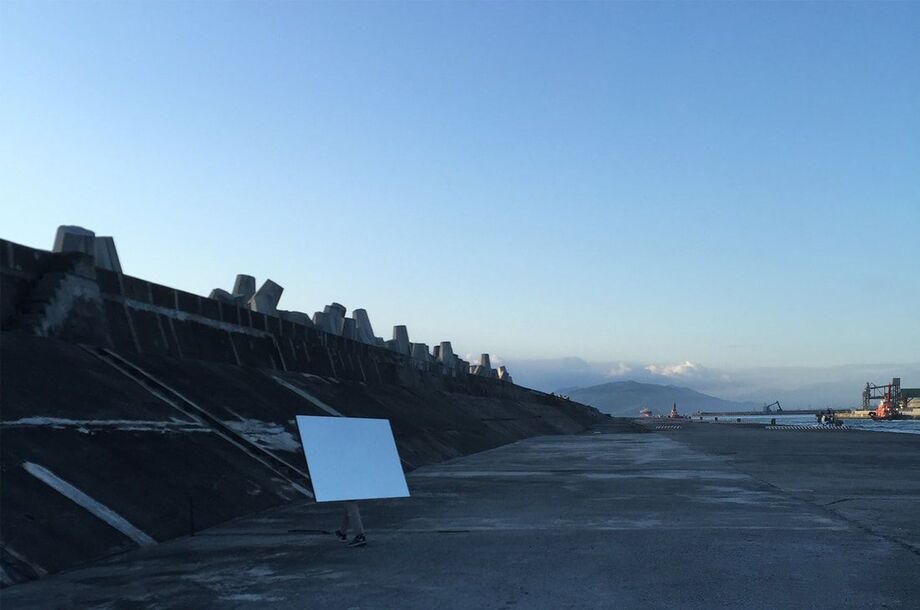
過了多年以後,記憶還是不斷地在我身體裡縈繞。終於,我鼓起勇氣,再次回到那個讓我無法忘懷的地方。我以一個繪畫者的角色去探尋,背著一塊寬度與我身高等高的鋼板,行走在兩側都是海的海堤上,聽著海浪拍打消波塊的撞擊聲,看著大船準備出港的模樣。原來,白燈塔曾經就在這樣的環境裡,日復一日地屹立著。
到達燈塔被炸毀的地點,我看見水泥地上有一圈圓形的裂痕,讓人不禁想像這是否是燈塔所殘留的遺址。但仔細一想,那是不可能的,因為這個海堤當時已經被打掉重建,那不過是日曬雨淋後形成的巧合罷了。誤讀的經驗,使我對燈塔的模樣不敢妄下定論。
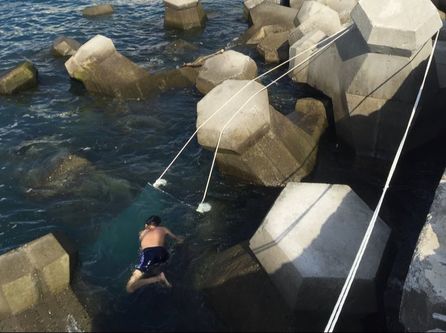
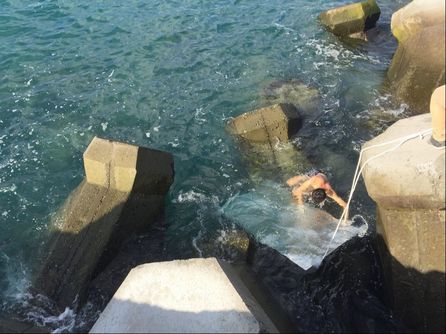
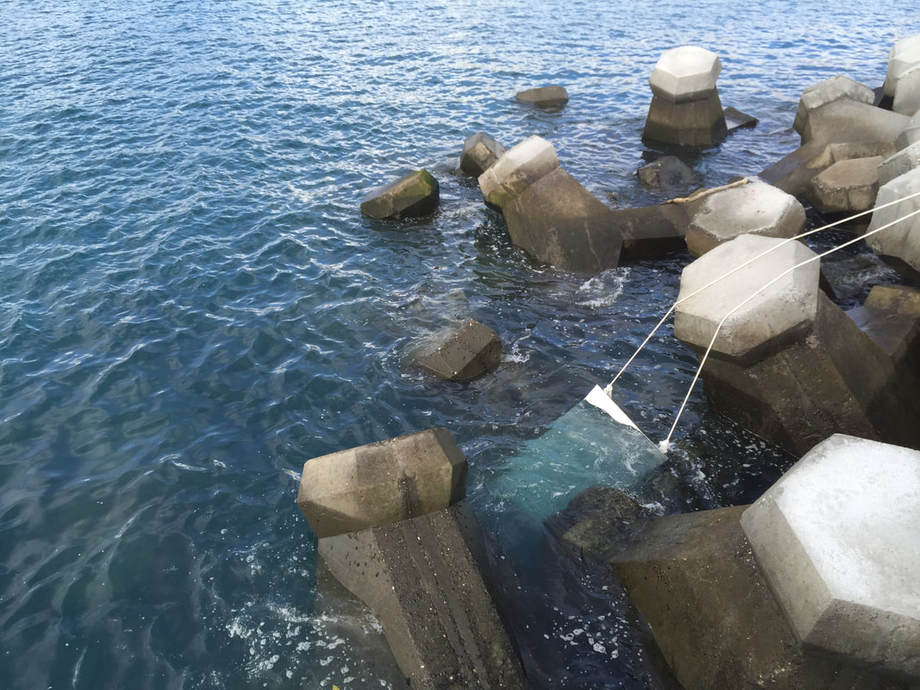
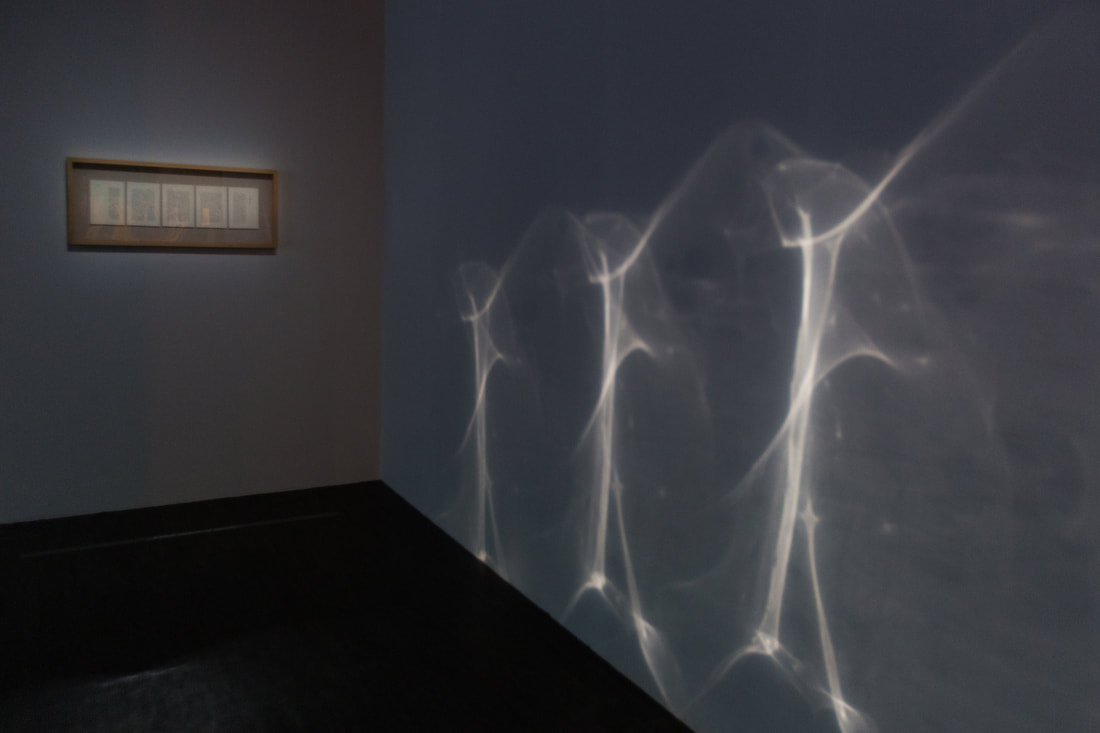
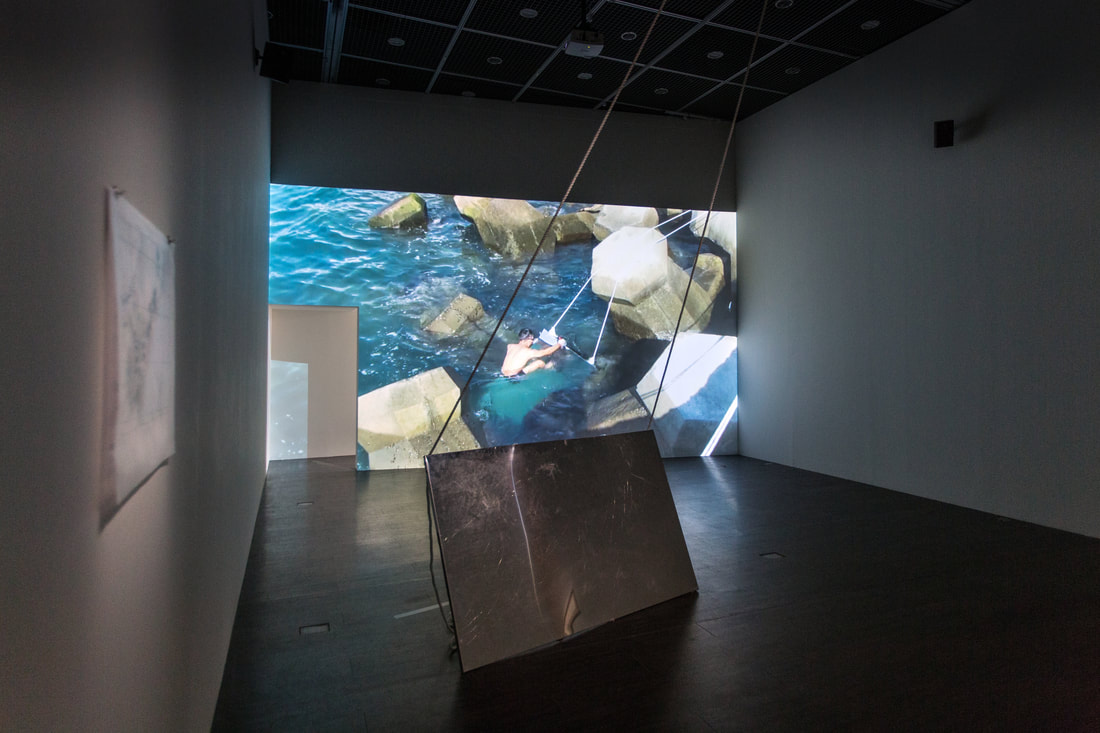
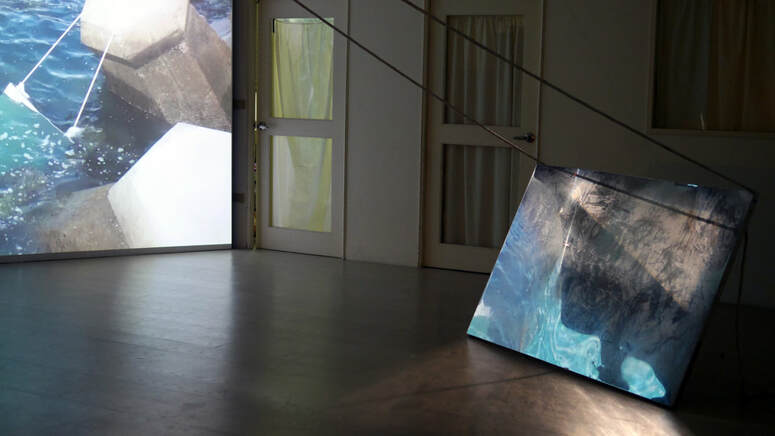
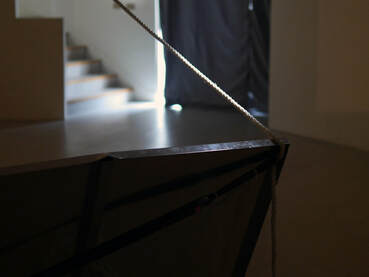
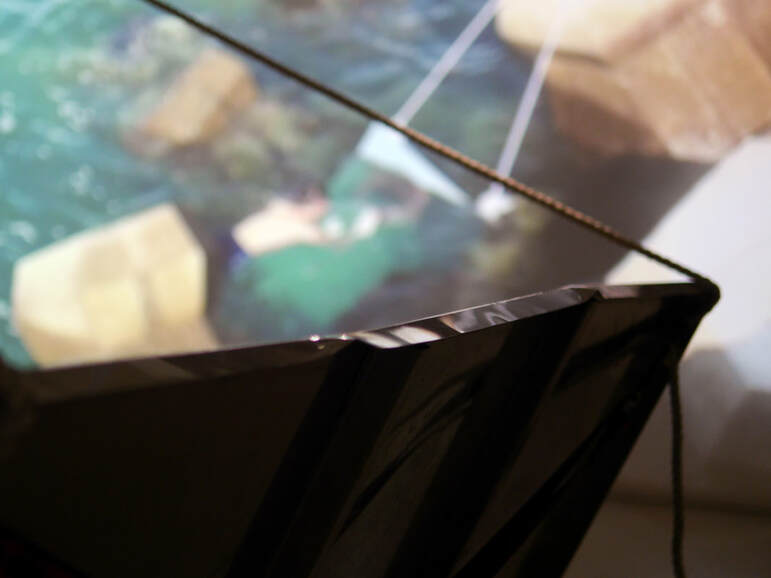
據以前的人說,燈塔炸毀的當下,有許多花蓮人前來圍觀,他們見證了燈塔沉入海底的過程,而那些殘骸,就沉落在我下海的那片區域。堤邊滿是消波塊,我從消波塊的夾縫中向下爬,並將鋼板往海裡扔。接著,我拿著尖錐在鋼板上刻劃。繪畫的過程是多麼不可思議!我面對的是身體與自然的抗衡。這時,我腦中一片空白,只剩下身體、海流,還有鏡面中的自己。在繪畫的當下,我完全無法思考,更遑論要畫出什麼具體之物。這時候,要畫出燈塔這件事早已消失,徒留我要去尋找燈塔的熱情。
Many years later, that memory continued to linger within me. Eventually, I gathered the courage to return to the place I could never forget. As a painter, I set out in search of the lighthouse. Carrying a steel plate nearly as tall as myself, I walked along a breakwater with the sea on both sides, listening to waves crashing against the tetrapods while watching cargo ships preparing to leave the harbor. It was then that I realized the White Lighthouse had once stood there, day after day, in precisely this environment.
When I reached the site where the lighthouse had been demolished, I noticed a circular crack in the concrete. For a moment, I wondered whether it might be the trace left behind by the lighthouse. But that could not have been possible, since the breakwater had long been demolished and rebuilt. It was merely a coincidence created by years of weathering. This experience of misreading made me reluctant to assume what the lighthouse had actually looked like.
According to local residents, many people in Hualien gathered to witness the demolition, watching the lighthouse sink into the sea. Its remains were said to lie beneath the waters where I entered. The edge of the breakwater was lined with tetrapods. I climbed down through the narrow gaps between them and threw the steel plate into the sea. Then, using a metal scribe, I engraved its surface. The act of drawing became something extraordinary. What I confronted was not an image, but the resistance between my body and nature. My mind became completely blank. There was only my body, the ocean current, and my own reflection on the mirrored steel. In that moment, thinking became impossible, let alone depicting any recognizable form. The desire to draw the lighthouse disappeared entirely, leaving only my determination to continue searching for it.


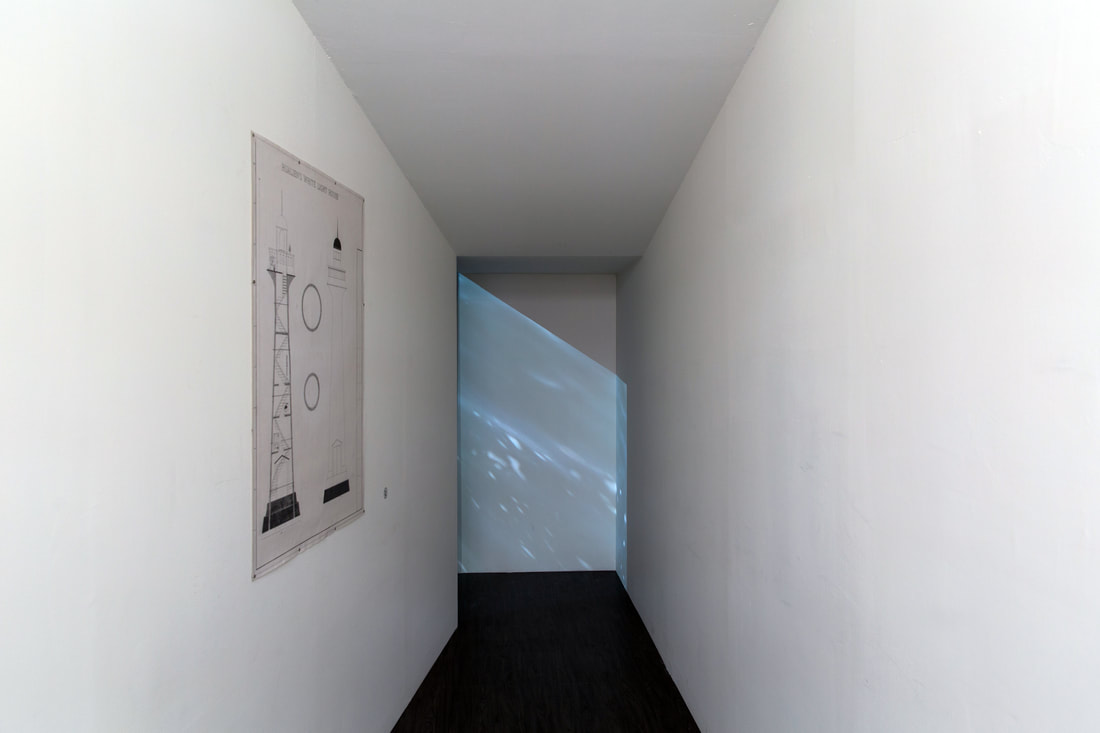
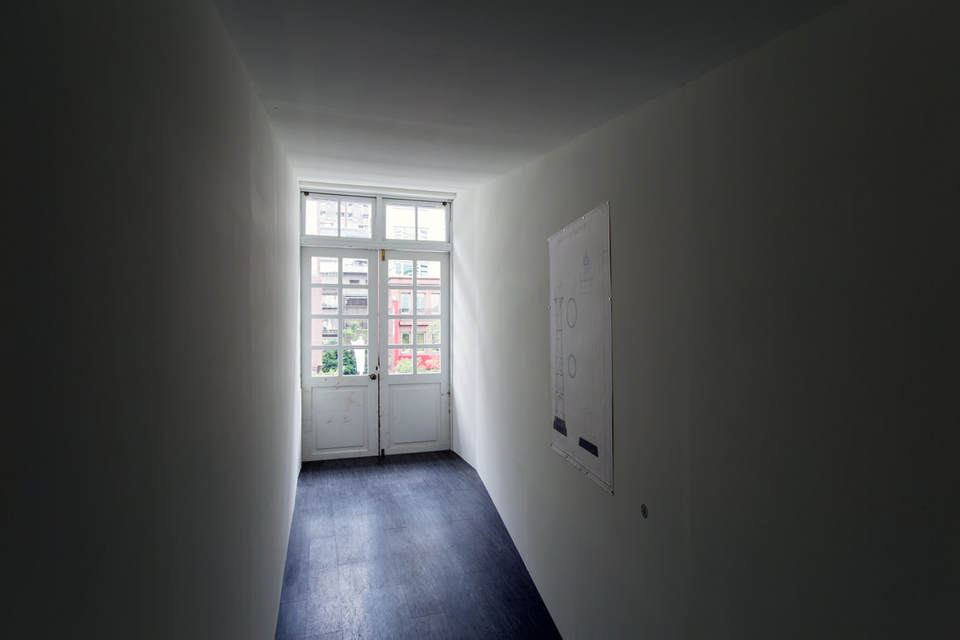
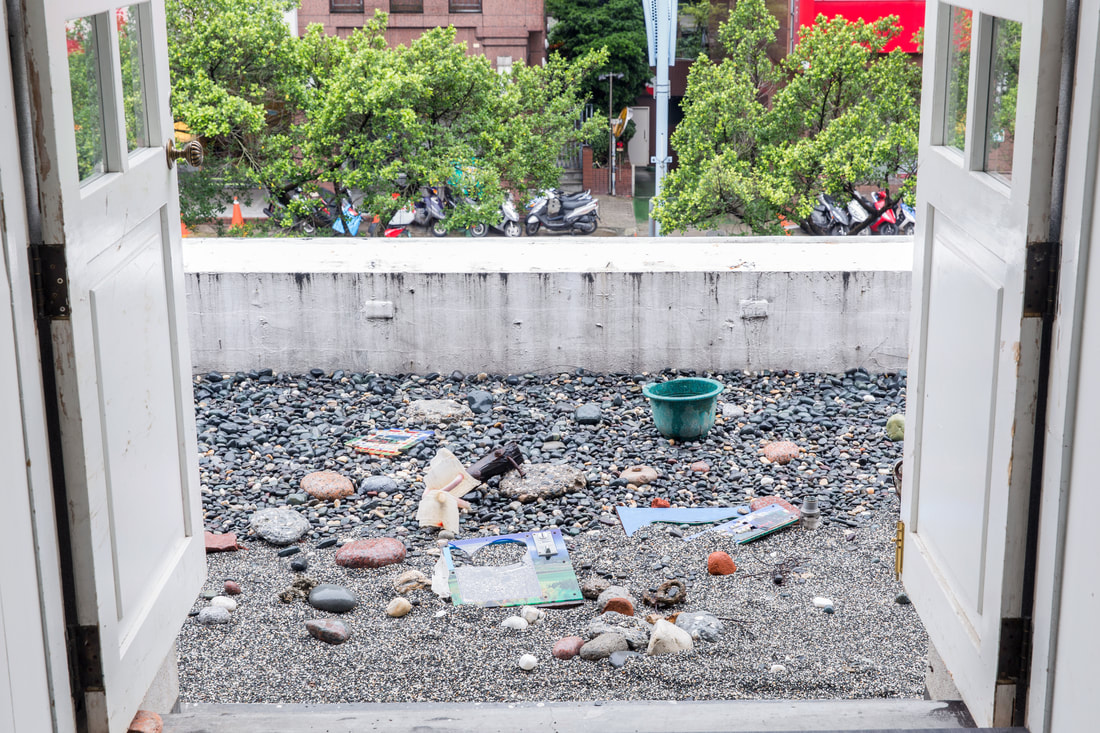
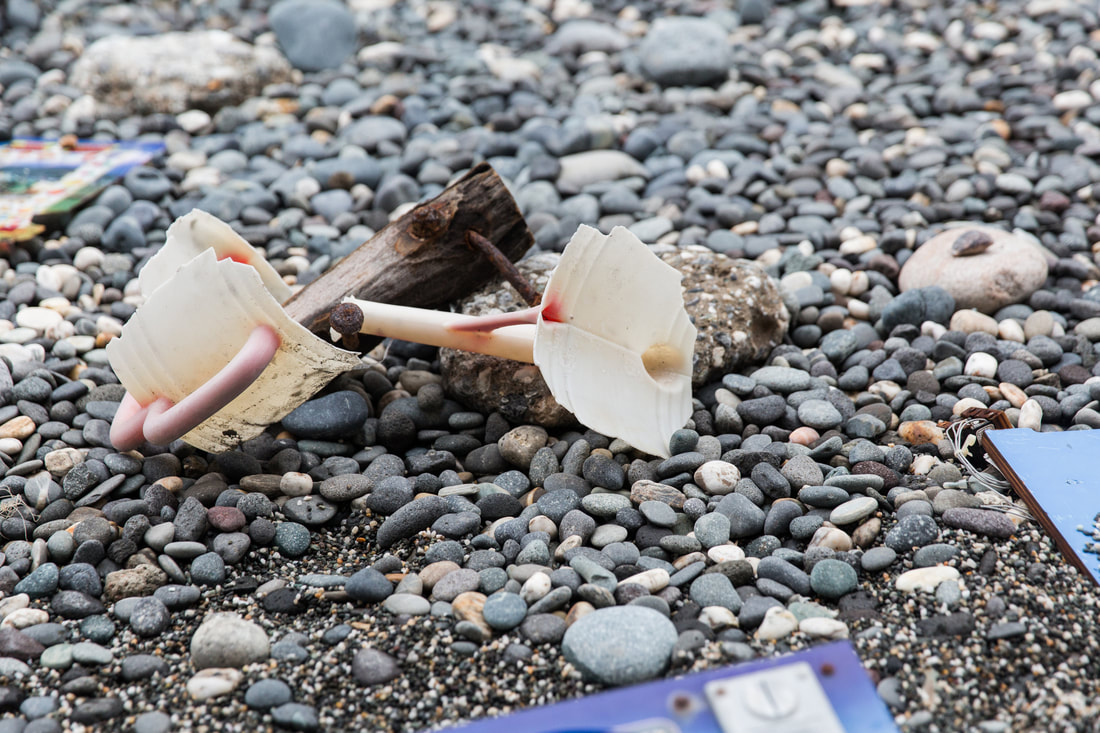
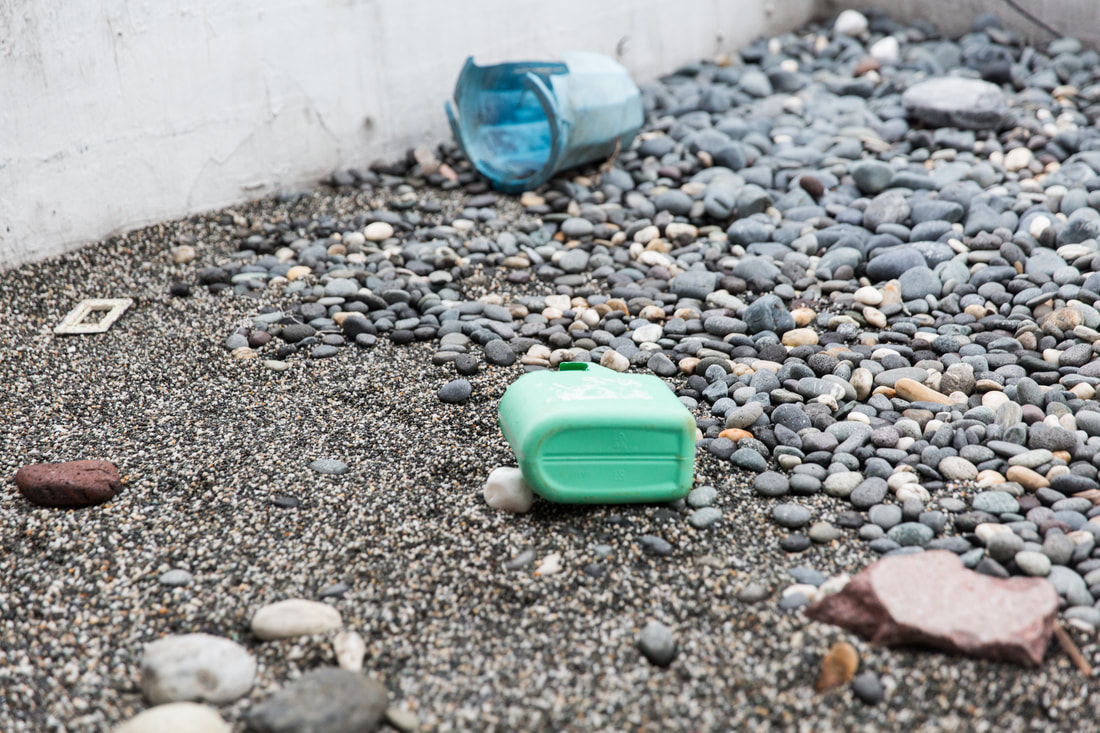
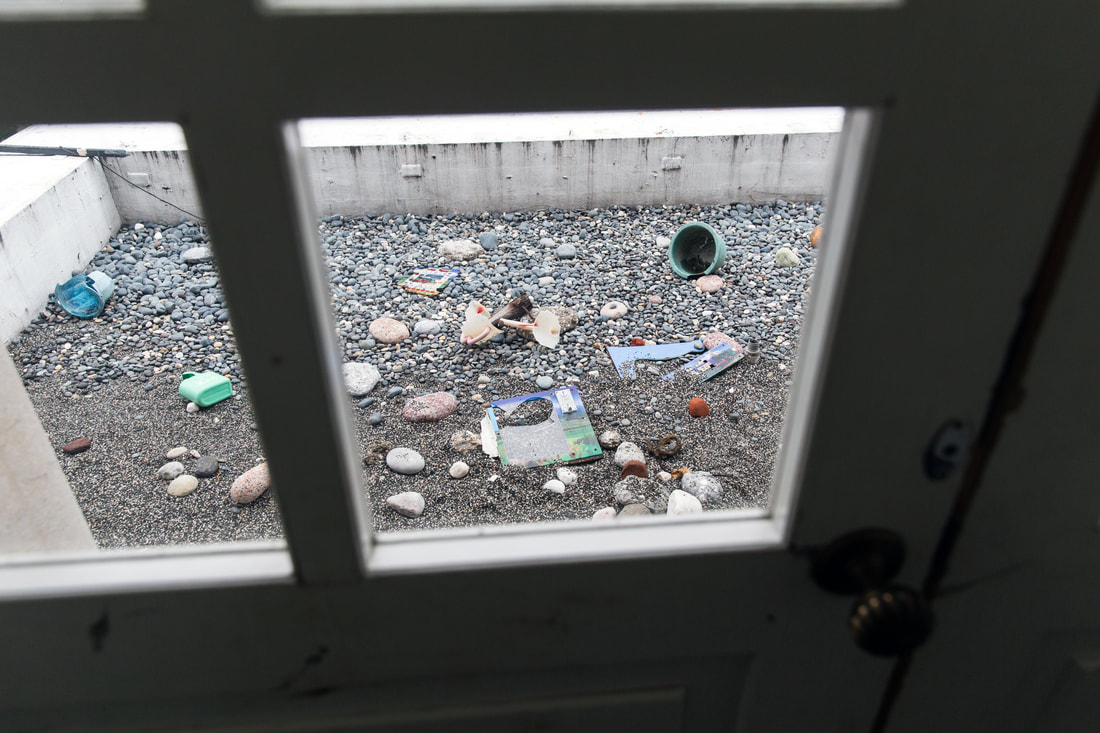
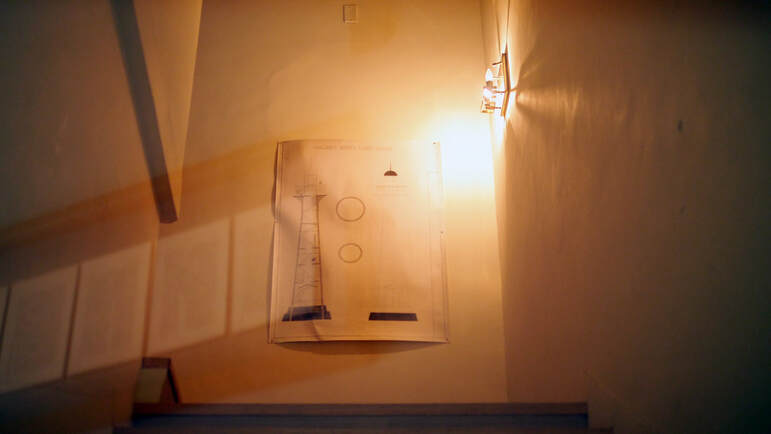
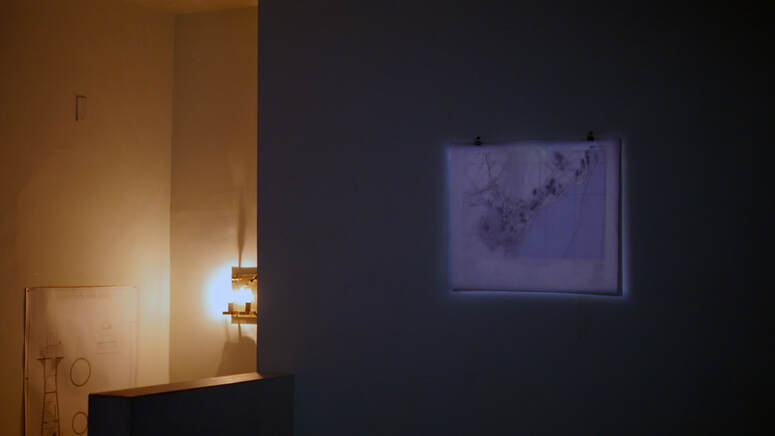
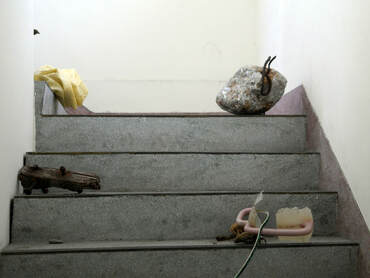
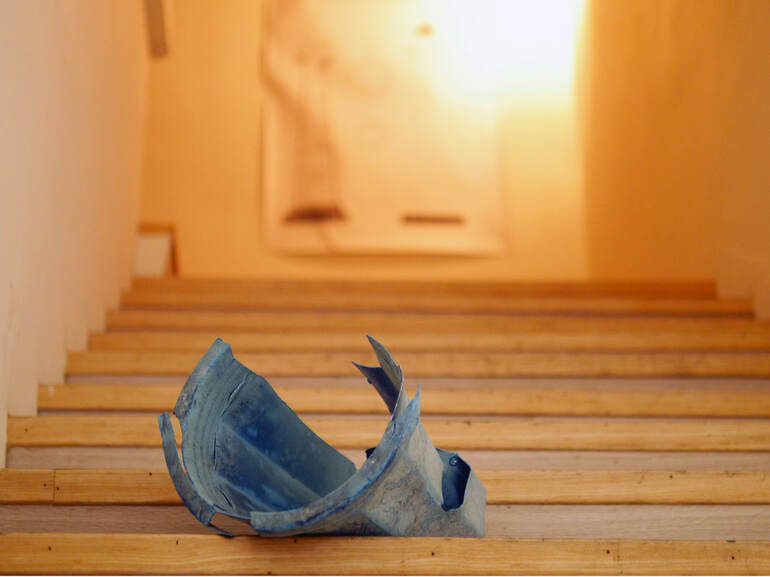
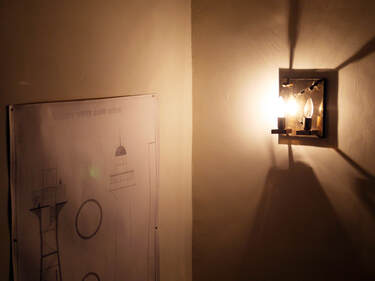
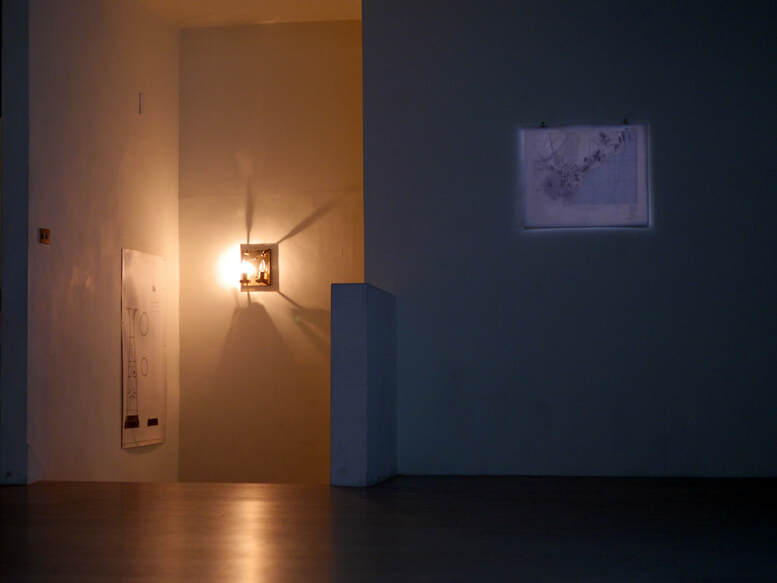
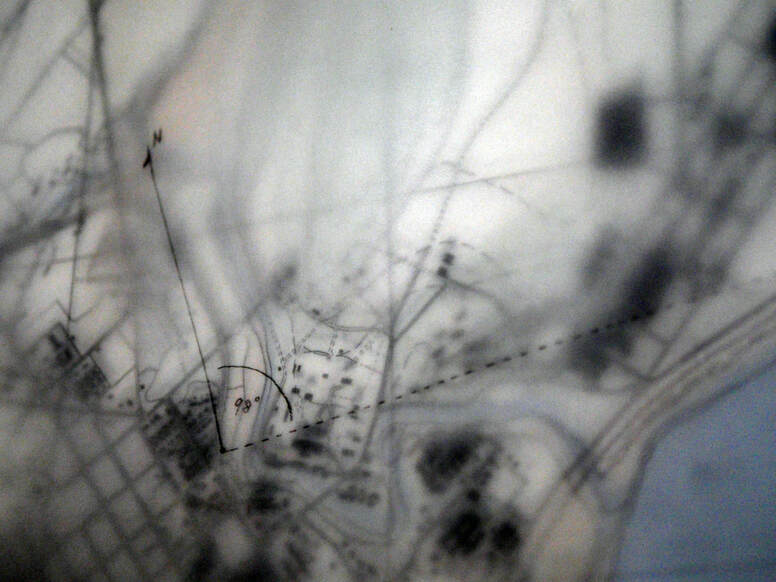
最後,我是失敗的。我並沒有找到燈塔的殘骸,也沒有畫出燈塔,但我依舊沒有放棄。我走在附近的海邊,感受這裡的環境,看著周圍的所有事物。燈塔的影子似乎離不開我的腦海。我開始撿拾海邊的垃圾,想像那些東西會不會是燈塔管理員遺留下來的物件。於是,我畫了一張燈塔的設計圖。那設計圖並不屬於過去,也不屬於未來,而是屬於我正在想像的當下。設計的來源,是我撿拾的那些「垃圾」。然而,到頭來,燈塔還是沒有一個確切的模樣。
In the end, I failed. I found neither the remains of the lighthouse nor an image of it. Yet I refused to give up. I wandered along the nearby shoreline, immersing myself in the surrounding environment. The shadow of the lighthouse never left my mind. I began collecting debris washed up on the beach, imagining that these objects might once have belonged to the lighthouse keeper. From these found materials, I drew a blueprint for a lighthouse. This blueprint belonged neither to the past nor to the future; it existed only in the present moment of my imagination. Its design emerged directly from the "garbage" I had collected. Even so, the lighthouse never acquired a definitive form.


我常在思考有關繪畫本質和繪畫過程的問題。我們在下筆之前,腦中的想像與對象物之間的關係是什麼?繪畫者以繪畫之姿面對世界的心理狀態又是如何?繪畫這個行為意味著什麼?是創造?是填補想像?又或是延展出具象之外的意象?還是給予一種渴望被再現的補償?
也許,我一直在找尋繪畫之於我身體的認知。但這就好像是我追尋燈塔的經驗:越是努力地接近它,就越會發現它有更多想像的可能。最後,我才明白,最清晰可見的,其實是過程。
I have long been preoccupied with the nature of painting and the process of making images. What is the relationship between the image imagined before the first mark and the object itself? What psychological state does a painter enter when confronting the world through painting? What does the act of painting truly signify? Is it an act of creation? A means of filling the gaps in imagination? An extension beyond representation? Or perhaps a form of compensation for something that longs to be seen once again?
Perhaps I have always been searching for an understanding of painting through my own body. This search resembles my pursuit of the lighthouse: the closer I tried to approach it, the more possibilities for imagination emerged. In the end, I realized that what became most visible was not the lighthouse itself, but the process of searching.