Homecoming
《回鄉偶書》
2018
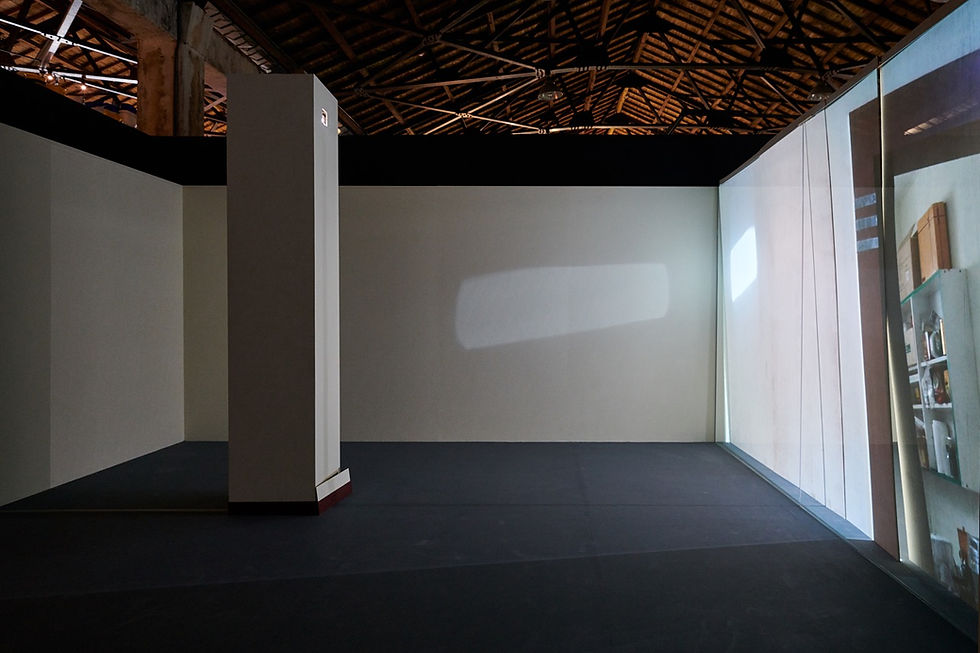
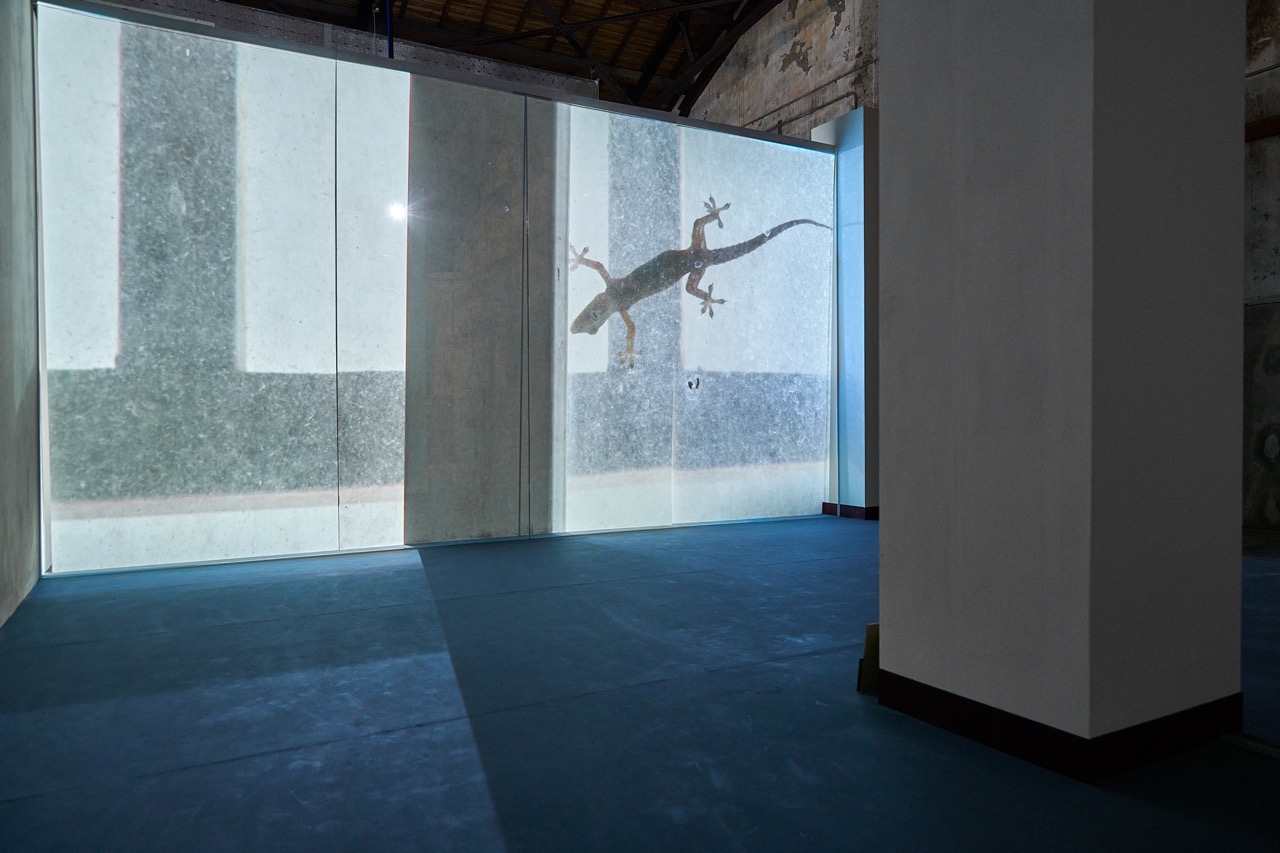
Two-channel video installation, dual projection
Variable dimensions


Shengzi Inn was formerly a maternity hospital and has since been transformed into a space for music and cultural activities. Although its function has changed, traces of its previous identity remain embedded throughout the building—in its spatial layout, classrooms, elevator, storage rooms, and architectural structure. Rather than replacing one another, the past and the present coexist within the same space, creating an environment suspended between memory and reality.
The title Homecoming is borrowed from the Tang Dynasty poem by He Zhizhang. Rather than illustrating the poem itself, the work draws upon its themes of returning home to reflect on one's place of origin, the passage of time, and the relationship between memory and identity.
The video consists of two interwoven narratives.
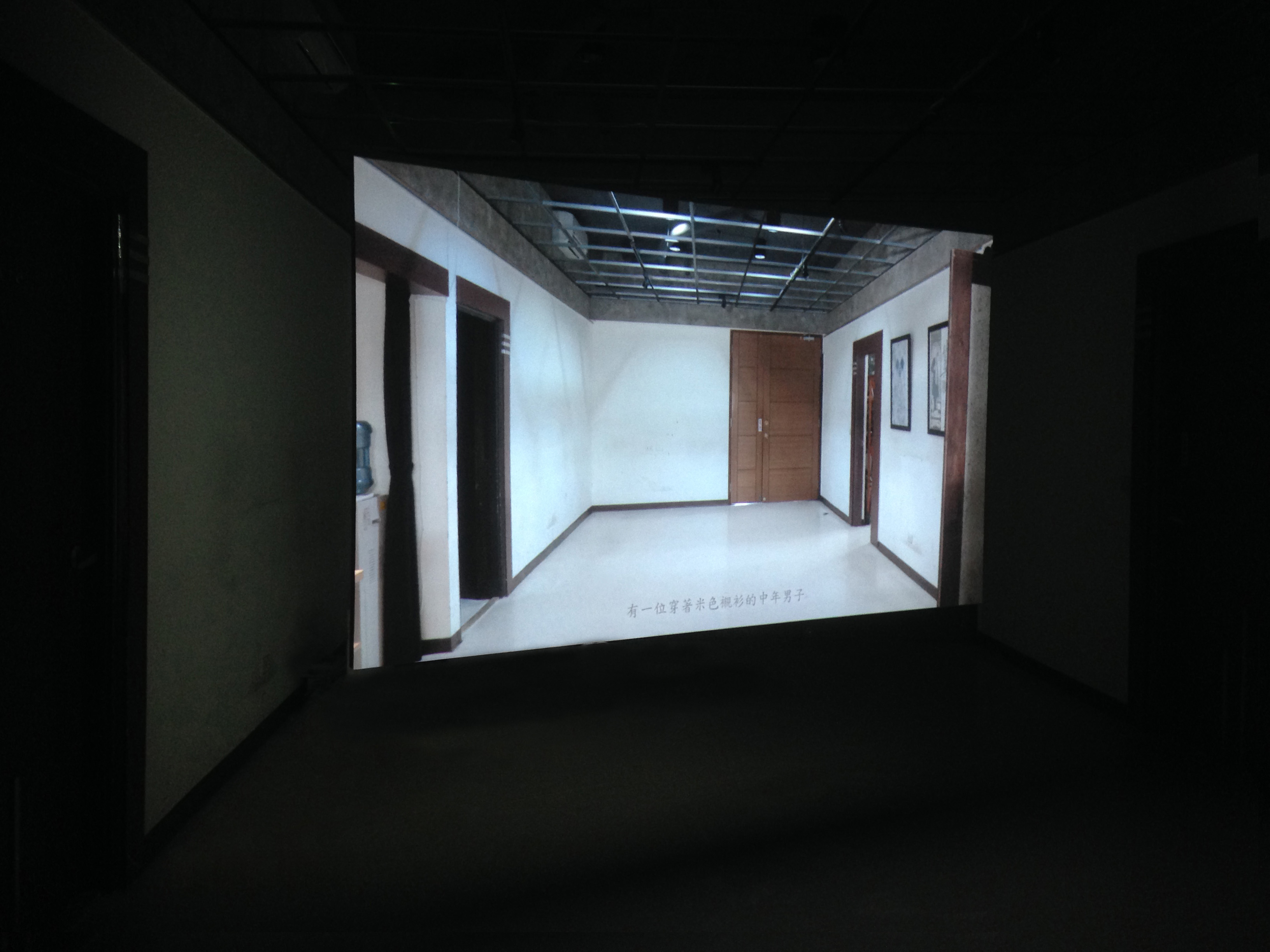
The first follows a documentary-like observation of the building. Through light, shadows, architectural details, corridors, elevators, walls, and classrooms, the camera searches for the lingering traces of the former maternity hospital. These traces are no longer explicit; instead, they quietly inhabit the present-day music space, allowing two different moments in time to overlap within the same architecture. The work invites viewers to imagine a place that is no longer visible, yet continues to exist through memory.
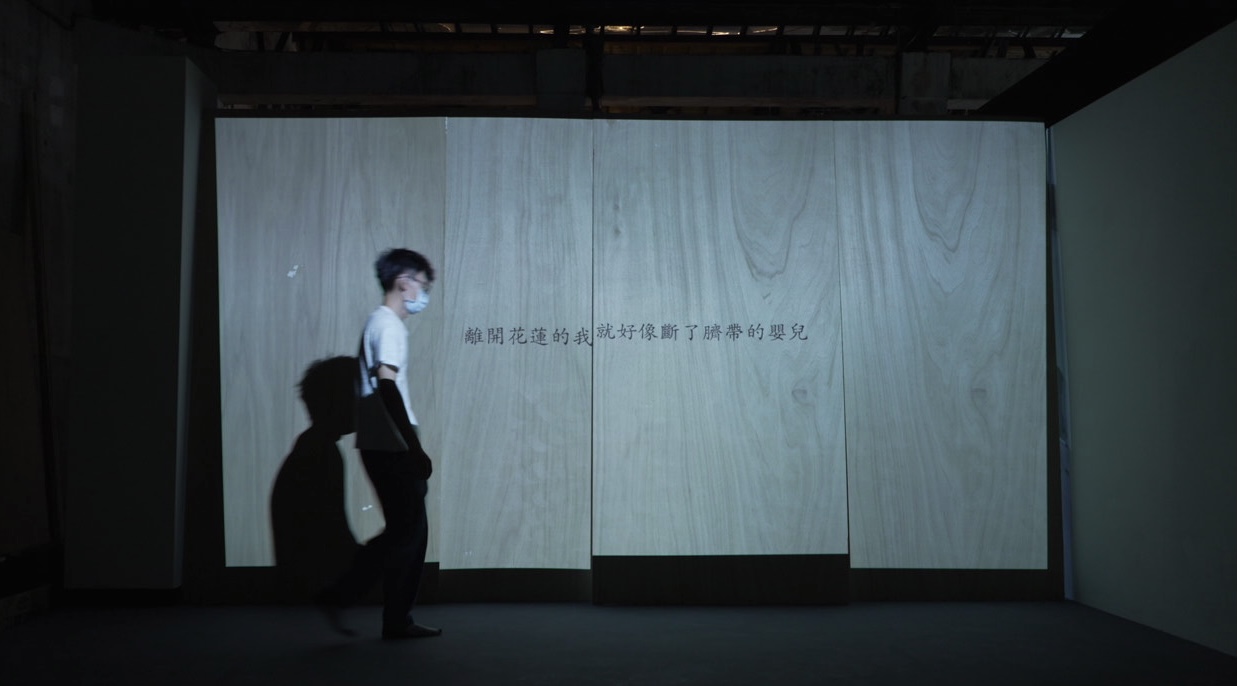
The second narrative is fictional. It follows a middle-aged man who was born in this hospital and returns to Hualien after many years away. Revisiting the place where his life began, he gradually confronts the invisible connections between people, places, time, and memory. Dreams, the umbilical cord, the navel, and the changing landscape become metaphors through which he reflects upon the beginning of life and his own sense of belonging.
For me, the navel is an important metaphor. It is the trace left behind by the umbilical cord—a reminder that one life was once physically connected to another. Even after that connection disappears, its mark remains. Returning home functions in much the same way. Although time reshapes places and memories fade, the bond between a person and their homeland cannot be entirely severed.
According to local accounts, a significant number of Hualien residents were born in this maternity hospital. The thought that countless people may share the same birthplace transforms this building from a deeply personal site into a collective point of origin. The work therefore expands from an individual experience of returning home to an imagination of shared memory and collective belonging.
Rather than reconstructing a lost history, Homecoming creates a space where memory, imagination, and reality intersect. As the camera observes the architectural traces left by time, it also reveals the invisible spaces that continue to exist beyond what can be seen. Perhaps the true completeness of a place does not reside in its physical form alone, but somewhere between material reality, memory, and imagination.

聲子藝棧的前身是一間婦產科醫院,如今則成為一處音樂空間。建築內部的空間結構、教室隔間、電梯尺寸、倉庫位置等,至今仍隱約保留著昔日婦產科醫院的痕跡。過去與現在並未彼此取代,而是在同一座建築中重疊共存,形成一種介於現實與記憶之間的空間狀態。
《回鄉偶書》取名自唐代詩人賀知章的同名詩作,作品並非詮釋詩的內容,而是借用其所蘊含的返鄉經驗,重新思考人與家鄉、生命起點與時間流逝之間的關係。
錄像由兩條相互交織的影像敘事構成。
其中一條影像,以近乎田野調查的方式觀察這座建築。我透過鏡頭記錄空間中的光影、牆面、樓梯、電梯、教室與各種建築細節,試圖尋找婦產科醫院仍然存在的痕跡。那些痕跡並不是明確可辨識的遺跡,而是潛藏於建築之中的時間殘影,使今日的音樂空間與過去的醫院彼此重疊,也讓觀者在觀看當下的同時,不斷想像另一個已經消失的空間。
另一條影像則是一段虛構的敘事。故事中的主角出生於這間醫院,離開家鄉多年後,再次回到花蓮,回到自己誕生的地方。在熟悉與陌生交錯的空間裡,他重新感受到那些無法被肉眼看見,卻始終存在於人與土地、人與時間之間的連結。影片中所描述的夢境、臍帶、肚臍,以及返鄉後對景物與人事的凝視,都是對生命起點的重新回望,也是對自我身份的再次確認。
對我而言,肚臍是一個重要的隱喻。它是臍帶曾經存在的痕跡,也是生命曾與另一個生命相連的證明。當連結消失之後,留下的不是臍帶本身,而是一道無法抹去的印記。返鄉亦是如此。即使人離開了家鄉,時間改變了景物,記憶逐漸模糊,人與土地之間依然存在著一種看不見卻無法切斷的連結。
據地方的說法,曾有相當多的花蓮人誕生於這間婦產科醫院。當我想到,走在花蓮的街道上,也許每隔幾個人,就有人與我共享同一個生命起點,而如今我的作品又重新回到這個空間展出,這座建築便不再只是我個人的出生地,而是一段屬於許多花蓮人的共同記憶。作品因此從個人的返鄉經驗,逐漸延伸為一種集體生命經驗的想像。
《回鄉偶書》並不試圖重建一段已經消失的歷史,而是透過影像讓記憶、想像與現實彼此交會。當鏡頭凝視建築的痕跡,也凝視著時間留下的空白;而真正完整的空間,或許並不存在於眼前,而是存在於實體、記憶與想像三者交疊的中間地帶。